
A new economic paradigm
for people and planet.
Better relationships. Stronger cooperation. A more prosperous and sustainable world.
The problem
Wildfires. Pollution. Poverty. Eroding trust.
The defining crises of our time are planetary, and they share a common root: a way of organizing performance that optimizes individuals and undermines cooperation. Climate change, geopolitical tension, rising inequality, declining trust in institutions, social fragmentation: at first glance these appear unrelated. A closer look reveals a common pattern. They are failures of collective performance.


The vision
The prosocial market economy is a vision for how markets can evolve.
To change what markets reward, we need to change how organizations compete. To change how organizations compete, we need to change how they organize performance: how teams work, what behavior is encouraged, and what is measured and rewarded.
Prevailing economic thinking locates performance in the optimized individual. A closer look shows that performance is created in relationships: between people, between teams, and between organizations and the world around them. When performance is organized around relational quality, organizations become more resilient, healthier and more sustainable, and they perform better economically. When enough organizations work this way, the market itself begins to change.
Explore the paradigm“This initiative builds on the belief that accounting and management research has a role to play in changing organizations and markets, and in steering the culture in organizations and markets through behavior that is aligned with a sustainable future, aligned with the planet.”
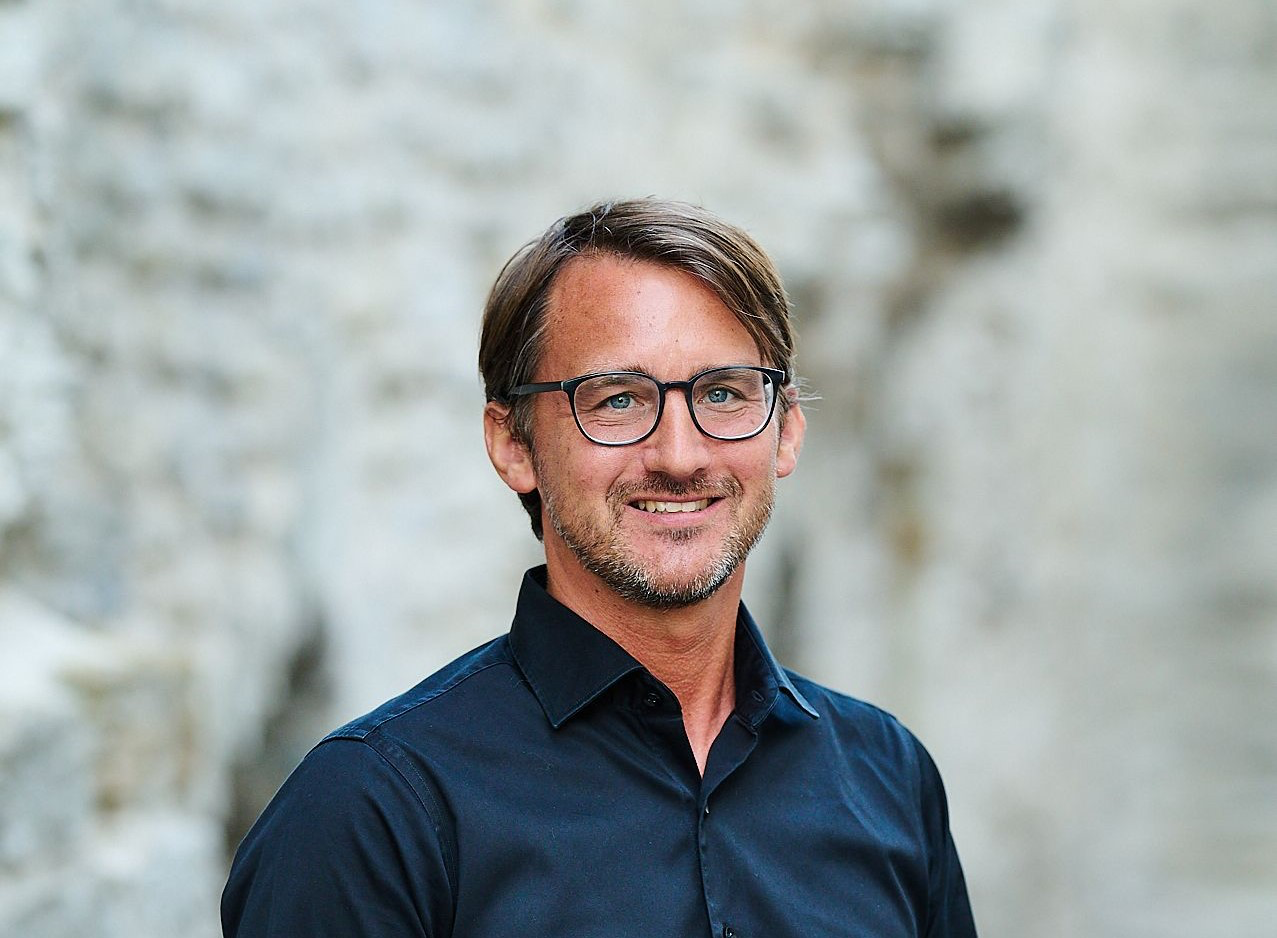
Jan Pfister
Principal Investigator
Turku School of Economics, University of Turku, Finland, and House of Sustainable Society, Stockholm School of Economics
Build teams and organizations that perform better.
How relational quality drives economic performance, and how to diagnose and design for it in your own organization.
The foundations of the paradigm.
The theoretical foundations, key references, and how the prosocial market economy relates to and differs from prior work.
Teach the next economic paradigm.
What we teach the next generation matters. Steps and materials for bringing the prosocial paradigm into the classroom.
Collaborators
Thomas Ahrens
Professor of Accounting
United Arab Emirates University
Solomon Darwin
University of California, Santa Cruz
Masafumi Fujino
Professor of Accounting
Nihon University
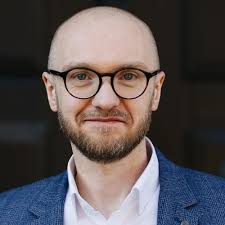
Lukas Goretzki
Professor of Accounting and Control
Stockholm School of Economics
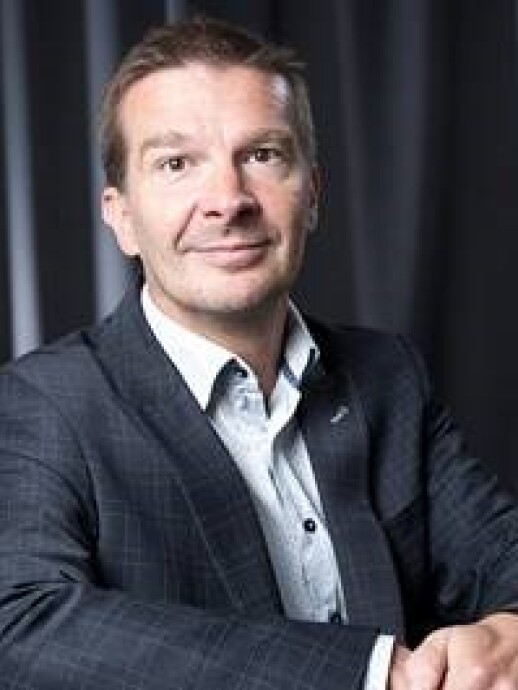
Markus Granlund
Dean and Professor of Management Accounting
University of Turku
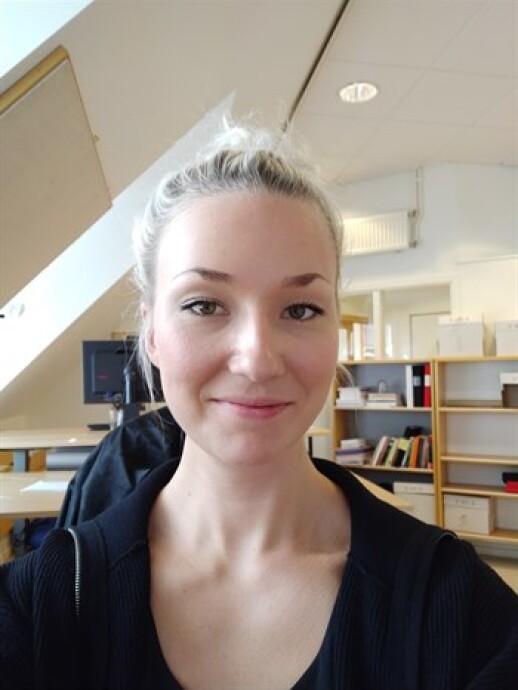
Annika Hasselblad
Postdoctoral Researcher in Management Accounting
Turku School of Economics, University of Turku
Sarah L. Jack
Distinguished Professor of Entrepreneurship
Lancaster University
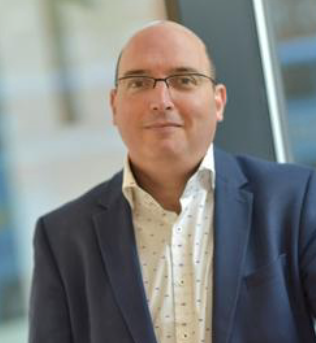
Yuval Millo
Professor of Accounting
University of Warwick
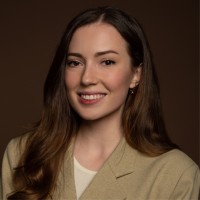
Tamara Olhovoj
University of Turku
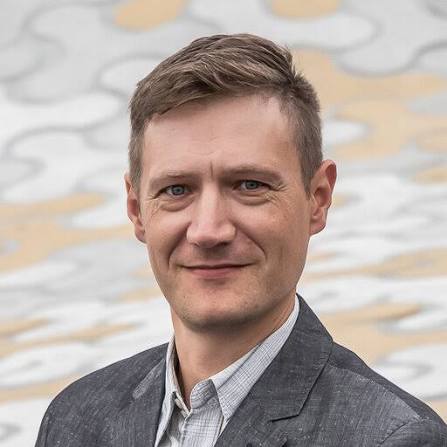
Peeter Peda
Visiting Professor
University of Tartu and Tampere University

Stuart Robinson
Senior Consultant

Norio Sawabe
Professor of Accounting
Kyoto University
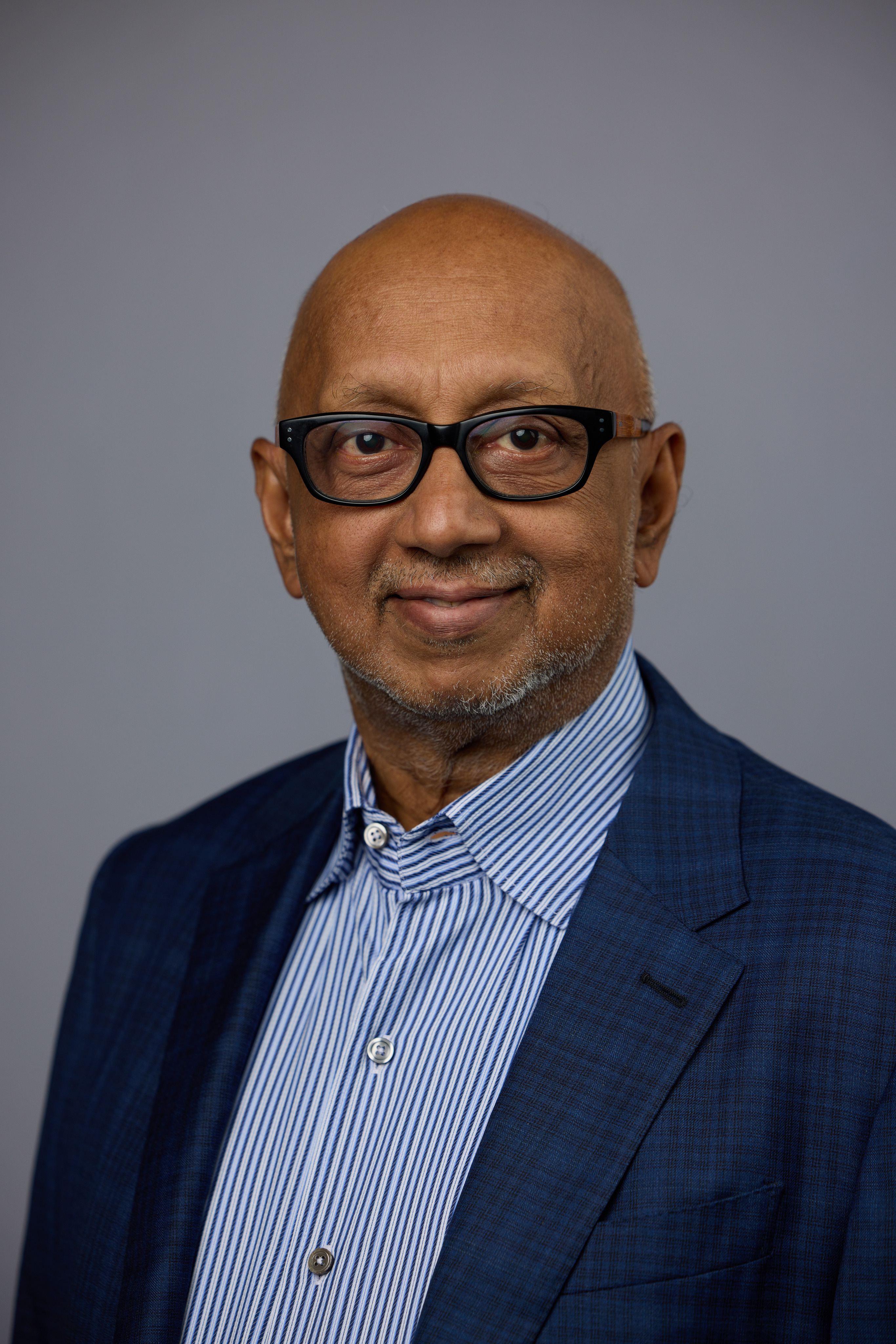
N. Venkat Venkatraman
Professor Emeritus
Boston University
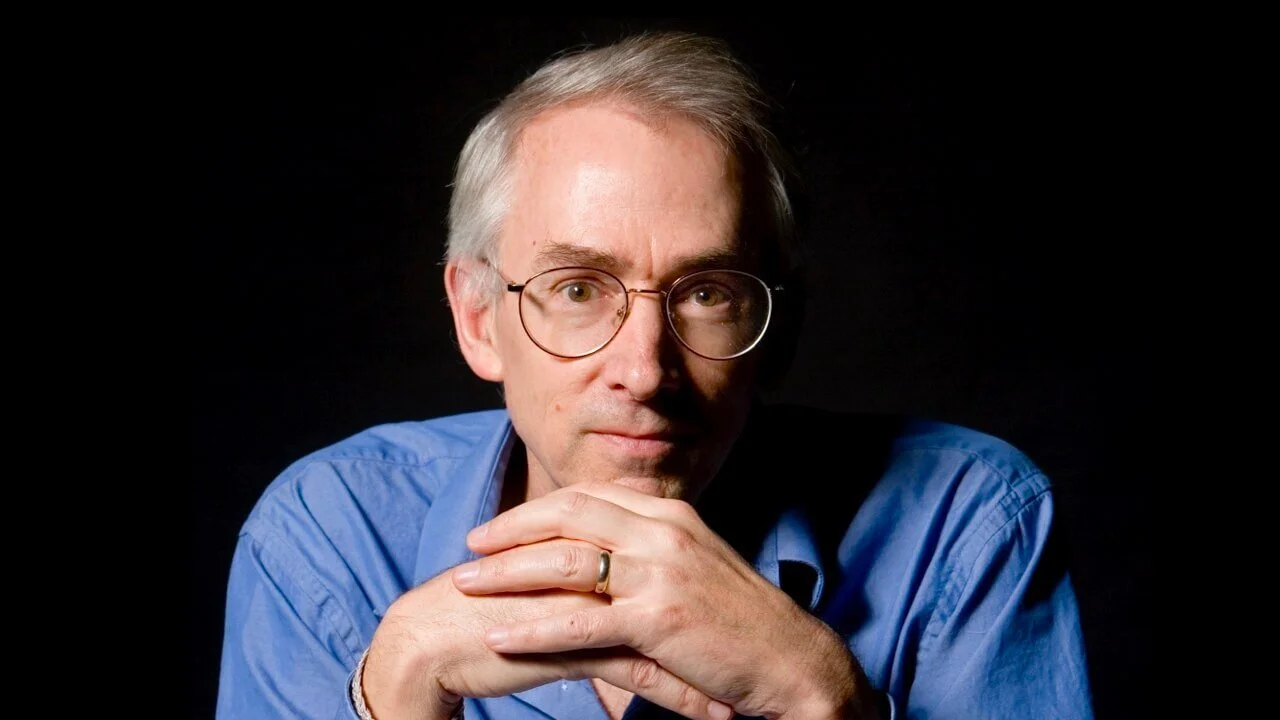
David Sloan Wilson
President, ProSocial World
Binghamton University
Stay close to the work.
The prosocial market economy is an evolving initiative. Sign up to receive updates on publications, events, applied work and ways to collaborate by email. One email a month, no more.